Between them these five films have taken close to $2.9 billion, and between them they cost less to make than one modern superhero movie. Here is what each one earned, why it worked, and where to watch it, with the trailer for all five a tap away.
Every figure below is worldwide box office, unadjusted for inflation, taken from the same TMDB data the rest of this app runs on and checked against Wikipedia's list of highest-grossing horror films.
One difference from the standard lists is worth stating up front. A film only counts here if horror is what it is, not if horror is an ingredient in it. That test keeps out a few very large films that usually appear in the top five, and there is a section at the bottom explaining exactly which ones and why, because quietly dropping them would be the same as fixing the answer.
What is left is a list with one striking property. Add up the production budgets of all five and you get about $138 million, which is less than a single tentpole costs today. Add up what they made and you get about $2.86 billion. Horror is the only genre where the top of the chart looks like this.
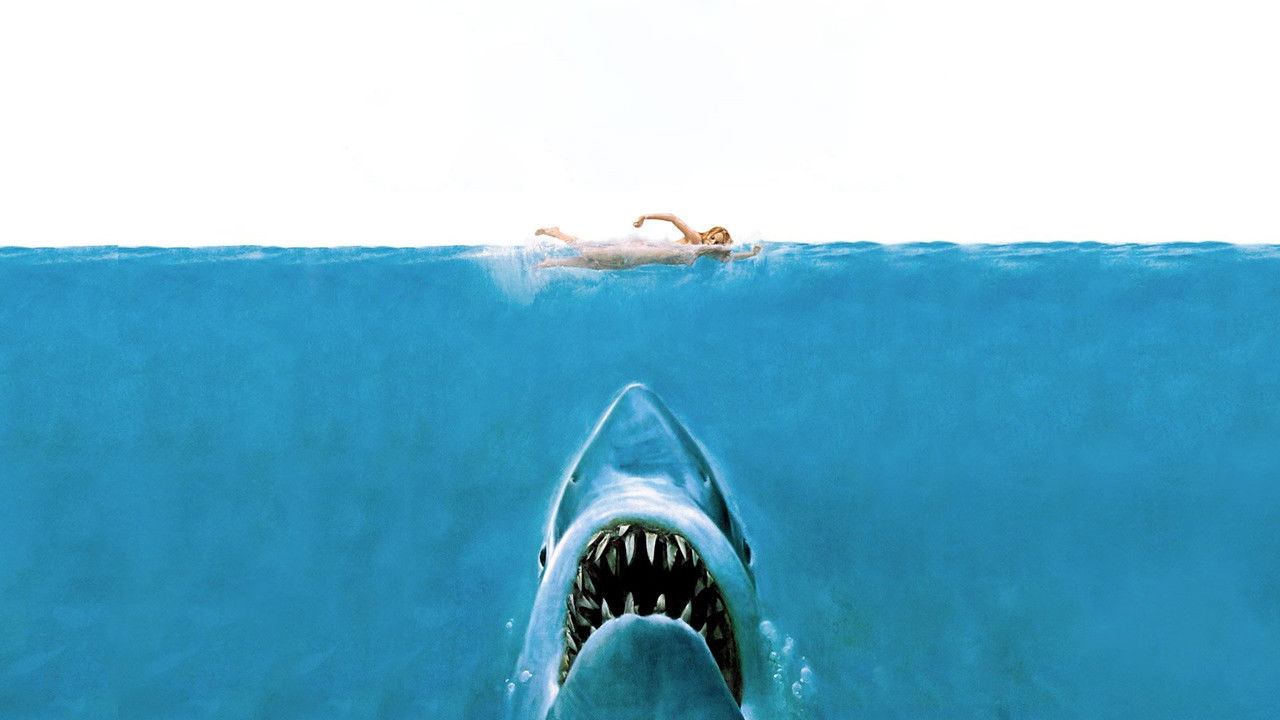
5Jaws
About $471 million, from a $7 million budget and a shark that did not work.
The film that invented the summer blockbuster is also, structurally, a monster movie about a town that will not close its beaches. Steven Spielberg was 27, the shoot ran massively over schedule, and the mechanical shark broke down so persistently that he was forced to build most of the film around not showing it.
That accident is the reason it still works. A shark you cannot see is a shark that could be anywhere, and the film substitutes a yellow barrel, a floating jetty and two notes of John Williams for the thing itself. By the time you get a clear look at the animal there is only half an hour left.
Its exact total depends on who is counting, because re-releases push it up toward $495 million and TMDB's figure of about $471 million does not include all of them. Either way it is fifth here and first by a distance once you adjust for inflation, which is covered further down. Roy Scheider, Robert Shaw and Richard Dreyfuss spend the last act on a boat, and it is the best hour of the film.
4Obsession
About $496 million, made for $750,000 in twenty days. The number is not a typo.
Curry Barker was 26 and best known for a YouTube sketch channel and an $800 found-footage feature called Milk & Serial. He shot Obsession independently in about twenty days for a reported $750,000, Focus Features bought it for around $14 million, and it has since taken roughly $496 million worldwide. That is a return of more than six hundred times its production cost.
The premise is small and nasty. A hopeless romantic breaks a wishing tree to make his crush fall for him, gets exactly what he asked for, and discovers what it costs. No franchise, no established cast, no recognisable property.
The part that actually rewrote the record book was the second weekend. Obsession made more money in weekend two than in its opening weekend, a rise of roughly thirty to forty percent depending on whose estimate you use, which no wide-release horror film had done at that scale before. Focus had not bought enormous advertising. That increase was people telling other people to go, which is the only marketing horror has ever really needed and the hardest kind to manufacture.
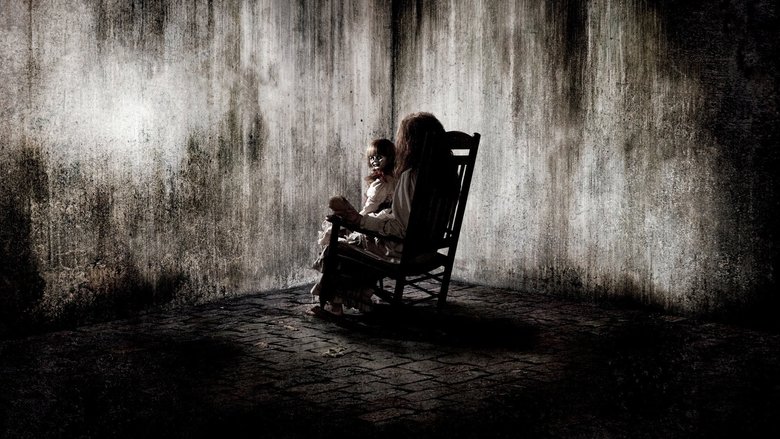
3The Conjuring: Last Rites
About $499 million, and the highest-grossing entry in the biggest horror franchise ever built.
Made for about $55 million, this sent Ed and Lorraine Warren out on a last case and outgrossed every other film in the series. Patrick Wilson and Vera Farmiga had played the two of them for over a decade by then, and the film is built on the assumption that you have watched them do it.
That assumption is the business model, and it is genuinely new. Nobody sells half a billion dollars of tickets to a haunted-house film on the strength of the haunting. They sell it on eleven years of accumulated goodwill toward two people who investigate hauntings, which is a very different product, and one horror had never managed to build before this series.
It is the only sequel on this list, and the only entry that would not exist without eight films in front of it.
Made for $40 million and nominated for Best Picture. M. Night Shyamalan wrote a film about a child who sees the dead and then directed it as a story about a therapist and a lonely boy, which is why your parents saw it.
It is genuinely frightening in bursts. The vomiting girl under the tent, the bicycle in the hallway, the hanged bodies in the school. But the scares are rationed, and everything between them is Haley Joel Osment and Bruce Willis sitting in rooms talking quietly, which is why it played to an audience that would not have bought a ticket to a haunting.
The ending did the rest. A twist that sends people back for a second ticket is the closest thing the box office has to free money, and in 1999 there was no way to have it spoiled for you before you got there.
1It
About $720 million. Horror's biggest film, and it is not close.
A $35 million R-rated Stephen King adaptation about a child-eating clown made $720 million worldwide, which is a sentence that would have read as a joke at any point before 2017. It beat the second-placed film here by nearly $50 million, and Andy Muschietti did it without softening the material.
It works because it is two films at once. One is a horror movie about Bill Skarsgård doing something wrong with his face. The other is a coming-of-age summer movie about seven kids on bikes, and that second film is the one that sold tickets to people who do not like horror. Derry in 1989 is Stand By Me with a sewer problem.
Look back down the list and the same move keeps appearing. Jaws is a small-town corruption drama with a shark in it. The Sixth Sense is a therapist and a lonely child. Last Rites is a marriage. Obsession is a story about wanting someone to like you. Every one of them gave a general audience something to hold on to that was not the monster, and that is what separates a horror film that makes $400 million from one that makes $40 million.
If you want the version of this argument that ignores money completely, we ranked the five scariest people in horror movies by how well the fear still lands. Pennywise is on that list too, at number three.
Most published rankings of the highest-grossing horror films put three titles in the top five that are missing above. They are not oversights, so here they are with the reasoning:
I Am Legend (2007): about $585 million, which would place it third. TMDB files it as Drama, Science Fiction and Thriller, with no horror tag at all, and that is the correct read. It is a post-apocalyptic survival film that becomes a creature feature after dark, not a horror film with quiet stretches.
World War Z (2013): between $532 and $540 million. It is an action film about a logistics problem, shot from helicopters and rooftops, with the rating kept deliberately low and almost no dread in it. Zombies alone do not make a horror movie.
Beetlejuice Beetlejuice (2024): about $452 million, and a comedy. Nobody has ever been frightened by it, which is the whole intention.
Reasonable people draw this line in different places, and if you count all three then I Am Legend and World War Z take the third and fourth spots and Obsession and Jaws drop out. The numbers are the same either way. Only the definition moves.
The horror films just outside the top five
It Chapter Two (2019): about $473 million, and a good illustration of how much of the first film's total came from the kids.
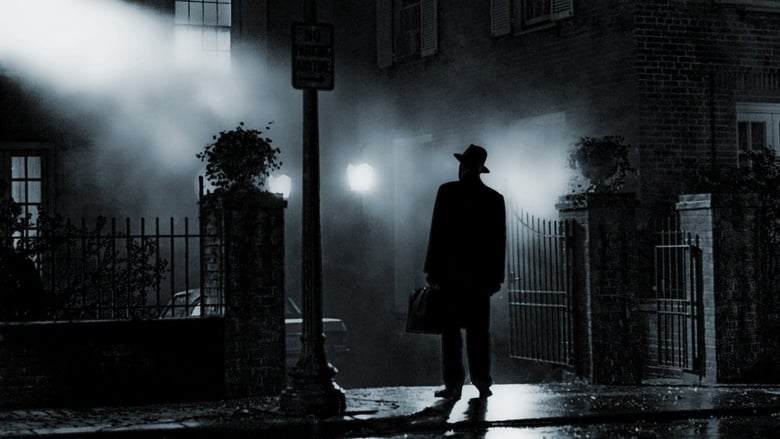
The Exorcist (1973): about $431 million, from a film that ran in cinemas for the better part of a year.
Backrooms (2026): about $393 million, from a $10 million budget and a YouTube series. The second entry on this page to arrive that way.
Sinners (2025): about $371 million, and the most expensive film mentioned anywhere on this page at $100 million.
The Nun (2018): about $366 million, and the highest-grossing Conjuring spin-off.
Horror is the only genre where the cheapest film in the building can outgross the most expensive one, and nobody in the industry has ever been able to predict which film that will be.
Adjusted for inflation, Jaws is not fifth
Every number on this page is unadjusted, which is the standard way box office is reported and also the least useful way to compare a film from 1975 with a film from 2026. Ticket prices have risen roughly tenfold in between.
Adjust for that and the order inverts almost completely. Jaws sold something close to $1.6 billion in 2026 money, which is more than double what It managed, and The Exorcist is not far behind it. Both played to a population with far fewer ways to watch anything, and that is a real advantage worth discounting for, but the gap is not close enough for it to explain the result away. On the measure that actually compares like with like, the two biggest horror films ever made are the two oldest ones anybody still talks about.
None of this measures whether they are frightening
Box office counts how many people bought a ticket, which is mostly a measure of how safe a film looked from the outside. That is close to the opposite of a measure of how frightening it is, and the overlap between this list and any honest list of the scariest films ever made is roughly one entry.
If that is the list you actually wanted, it is the other one: the 5 scariest people in horror movies, ranked by how well each one still works on a first-time viewer rather than by what they earned. Leatherface and Michael Myers do not appear anywhere near the money, and that is the point.
The Conjuring, The Exorcist, The Exorcism of Emily Rose, The Amityville Horror and The Strangers: the real cases behind each film, and how much is true.