Almost every horror villain is a variation on one of five ideas. Here are the five that got there first, ranked by how well the fear still lands rather than by box office, with the trailer for each one a tap away.
A monster is easy. A person is hard. The reason these five have outlived four decades of imitators is that each one attacks a different, very specific fear and commits to it completely: sleep, safety, isolation, the body, childhood. Swap any of them into another's movie and the scare stops working.
So this isn't a body count ranking. It's a ranking of how reliably each character still frightens a first-time viewer in 2026, and what to watch to see why.
5Jason Voorhees
The fear of being somewhere no one is coming to help.
Jason is the most imitated horror villain ever made and, on his own, the least frightening of these five, which is exactly what makes him instructive. He has no plan, no personality and nothing to say. He is a consequence.
What actually works is the geography. Camp Crystal Lake is the original no-signal location: woods on every side, one road out, and adults who are always somewhere else. Every remote-cabin movie of the last forty years is running the same play, and most of them run it worse.
Start with the 1980 original, where Jason is barely in it. The reveal is the point. Note how much of the tension is just distance, then watch how far the formula travels: the sequels turned him into an icon by giving him the hockey mask he doesn't wear until Part III.
Tobe Hooper's 1974 film is still the most upsetting movie on this list, and it manages that while showing almost no gore. The horror is procedural. Leatherface is not hunting anyone. He is working. He answers a door, does a job, and goes back inside, and the film treats it with the flat indifference of a slaughterhouse floor.
That flatness is why it lands. Freddy performs for you. Michael watches you. Leatherface barely registers that you are a person at all, and the panic that produces, in the dinner sequence especially, has never really been matched.
It is 83 minutes long, shot in brutal heat on 16mm, and it does not let up. Watch it once, in the dark, and you will understand every horror movie made after it.
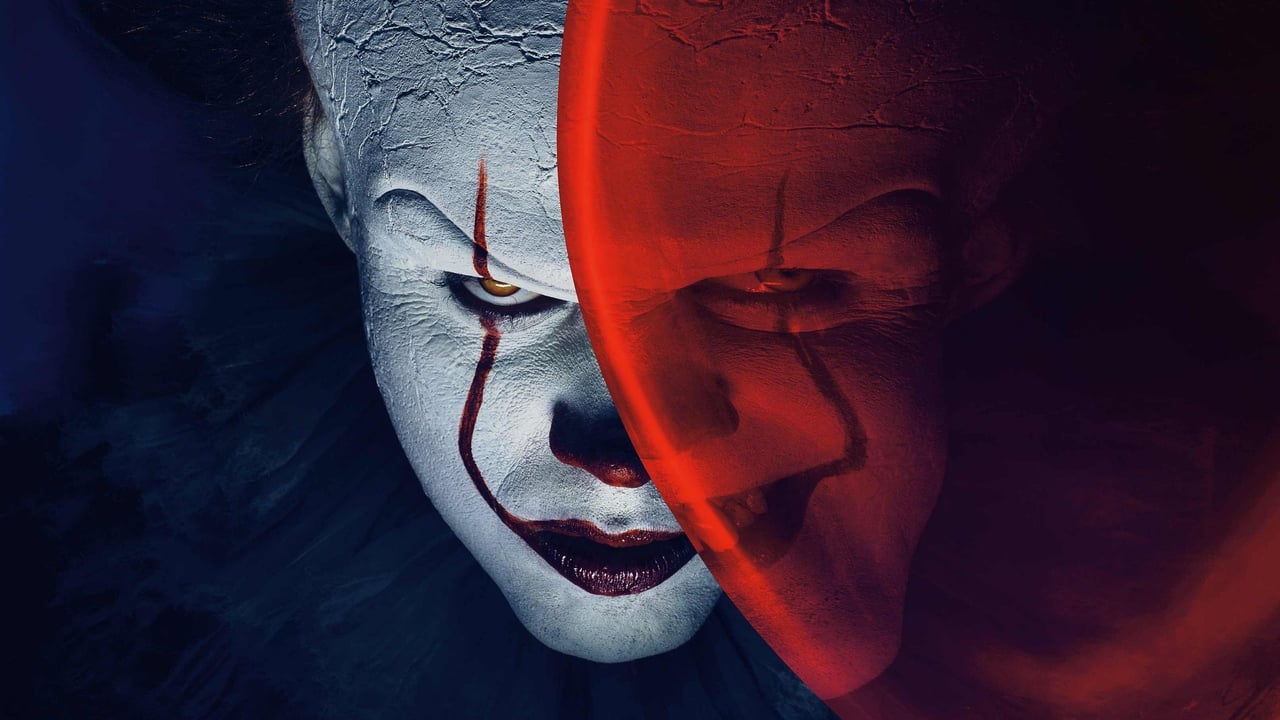
Pennywise is the only one of these five who is genuinely, deliberately funny, and that is the trap. He is a children's entertainer. He is charming for exactly as long as it takes to get close, and the switch happens mid-sentence, in a face built to smile.
Bill Skarsgård plays the whole thing slightly out of sync: the eyes drift, the voice arrives a beat before the mouth, and the drool is real. Nothing about the performance is doing what a face is supposed to do, which is why it reads as wrong before you can say why.
The deeper fear isn't the clown, though. It's that Derry's adults are useless. Every child in this film has already learned that reporting something gets them nowhere, and Pennywise is what moves into that gap.
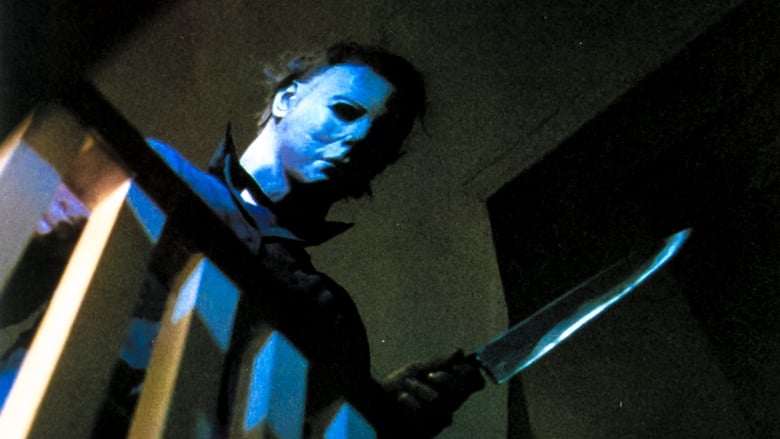
John Carpenter called him The Shape, and the credits still do. That is the whole design: no motive, no dialogue, no face, just a blank white mask that gives you nothing to read, so you fill it in yourself.
Halloween is the quietest film on this list and the most patient. Michael spends most of it standing still, in daylight, across the street. Behind a hedge. At the end of a hallway you have already looked down. Carpenter blocks him into the edges of the widescreen frame and never points the camera at him, so half the audience catches him a second before the other half. That second is the scare.
Suburbia is the real subject. The film is set on a street where nothing happens, in the middle of the afternoon, and the argument it makes is that this is not protection. Forty-seven years of slashers have tried to reproduce that and mostly reproduced the mask.
Every other villain on this list can be escaped by leaving. Lock a door, drive away, stay awake. Freddy Krueger is the one who took away the last option, and that single idea is why he is still first.
Wes Craven's premise is airtight and horrible: you are safe while you are conscious, and you cannot stay conscious. The film turns exhaustion itself into the countdown. Every character is fighting the one thing a body will always win, while the audience does the arithmetic on how long they have left.
It also makes him the only villain here with a personality. Robert Englund plays Freddy as a sadist who is enjoying himself, cracking jokes in a space where his victims have no physical laws to protect them. He is not a shape or a force. He is a person who wants you to know it's him.
The sequels famously sanded the menace off in favour of one-liners. The 1984 original has none of that softness: it is grimy, low-budget, dream-logic horror where the walls breathe and the rules genuinely do not apply.
Where to start if you're watching all five
Chronological order is also, conveniently, the order in which the genre's ideas were invented, so you get to watch each film borrow from the one before it:
It (2017): the modern version, and the only one told from the children's side.
The scariest thing in any of these films is not the killer. It's the moment the film establishes that the people who are supposed to help are not coming.
Who just missed the cut
Hannibal Lecter is the best-acted villain in horror and the least frightening to be in a room with. He is a puzzle, not a threat. Ghostface is a great whodunnit device and a deliberately un-scary presence. Chucky is a joke that occasionally lands, and this is the wrong list for him rather than the wrong genre: the film he came from tops our ranking of the doll horror movies, where the fear being attacked is an object rather than a person. All three are worth your time; none of them attacks a fear the way the five above do.