A film has to cut a book down. A TV series has the opposite problem: it can run out of book. These five shows each handled that differently, from a seven-episode miniseries that used every page to an eight-season epic that overtook its author. Here they are ranked, with how far each strayed and a link to the book it started as.
Television should be the better home for a novel. It has the hours. A ten-episode season can hold subplots a film would cut in the first draft, and a long-running show can live with characters the way a reader does. The catch is that a hit show does not want to end, and a book does. Every series on this list hit that wall at a different point, and where it hit decides most of the ranking.
By how good the show is as an adaptation from first episode to last. That means two things: how well it used the book while it had one, and what it did once it did not. A show that knew exactly how much story it had ranks above a bigger show that ran past the end of its source and had to improvise the landing.
A quick note on the links
The Amazon book links below are affiliate links. If you buy through one, we earn a small commission at no extra cost to you. Nothing was paid for placement, and the ranking would read the same with the links stripped out. Prices and editions on Amazon change constantly, so none are quoted here.
5The 100
The show that was filmed before its own book was published.
The 100 is the strangest adaptation here, because it is barely one. The idea came out of Alloy Entertainment, the company behind Gossip Girl and The Vampire Diaries, which develops book concepts and hands them to writers. Kass Morgan wrote the novel. The CW ordered the series in May 2013, the book came out that September, and the pilot was finished before readers ever saw it. The show premiered in March 2014.
So the two grew up side by side and split almost immediately. The premise is the same: a hundred juvenile prisoners sent from a dying space station down to an Earth nobody has seen in generations. Clarke, Bellamy, Octavia and Wells are in both. But the book is a smaller, more romantic story told across several points of view, while the show turned into a hard-edged survival drama that kept escalating for seven seasons. Wells is a lead in the novel and is killed off early in the show's first season, which tells you how different the two became.
It ran for exactly 100 episodes, ending in 2020, and it ranks fifth only because it is the least a book adaptation of the five. As a show, it is better than its reputation.
Michael Dobbs wrote House of Cards (1989) from inside the machine: he had been the Conservative Party's chief of staff under Margaret Thatcher. The novel follows Francis Urquhart, a chief whip passed over for promotion who decides to take the whole government apart instead. The BBC adapted it in 1990 with Ian Richardson as Urquhart, followed by To Play the King and The Final Cut, one series for each book in Dobbs's trilogy.
Netflix's version moved it to Washington. Beau Willimon's series turned Urquhart into Frank Underwood, a House majority whip, and kept the BBC's best trick: the lead turns to the camera and talks to you, so you become his accomplice. It was Netflix's first big original drama, and it arrived on February 1, 2013 with the whole season at once, which is how most people still watch television.
It ranks fourth because of how it ended. Netflix cut ties with Kevin Spacey in 2017, and the sixth and final season was rebuilt around Robin Wright's Claire Underwood, who had always been the show's most interesting character and deserved better than a rushed eight episodes. Six seasons, 73 episodes, and the first two are as good as political drama on television gets.
Jeff Lindsay's Darkly Dreaming Dexter (2004) introduced a Miami police blood-spatter analyst who kills other killers, following a code his foster father taught him. Showtime's first season follows that book closely, and it is the best season the show ever made, partly because it had a finished novel's structure underneath it.
From season two the show went its own way. Lindsay kept writing, eight Dexter novels in all, ending with Dexter Is Dead in 2015, and the books got stranger and darker, at one point flirting with the supernatural. The show stayed grounded, built its own villains, and gave Michael C. Hall and Jennifer Carpenter's Debra a relationship the books never had. It ran eight seasons and 96 episodes to 2013, and its ending was unpopular enough that the show has been trying to fix it ever since.
That effort is paying off. After New Blood in 2021 and the prequel Original Sin, Dexter: Resurrection was the best the character had been in years, and its second season premiered on Paramount+ yesterday, October 30. Our guide to Dexter: Resurrection season 2 has the new killers, the cast and a season 1 recap.
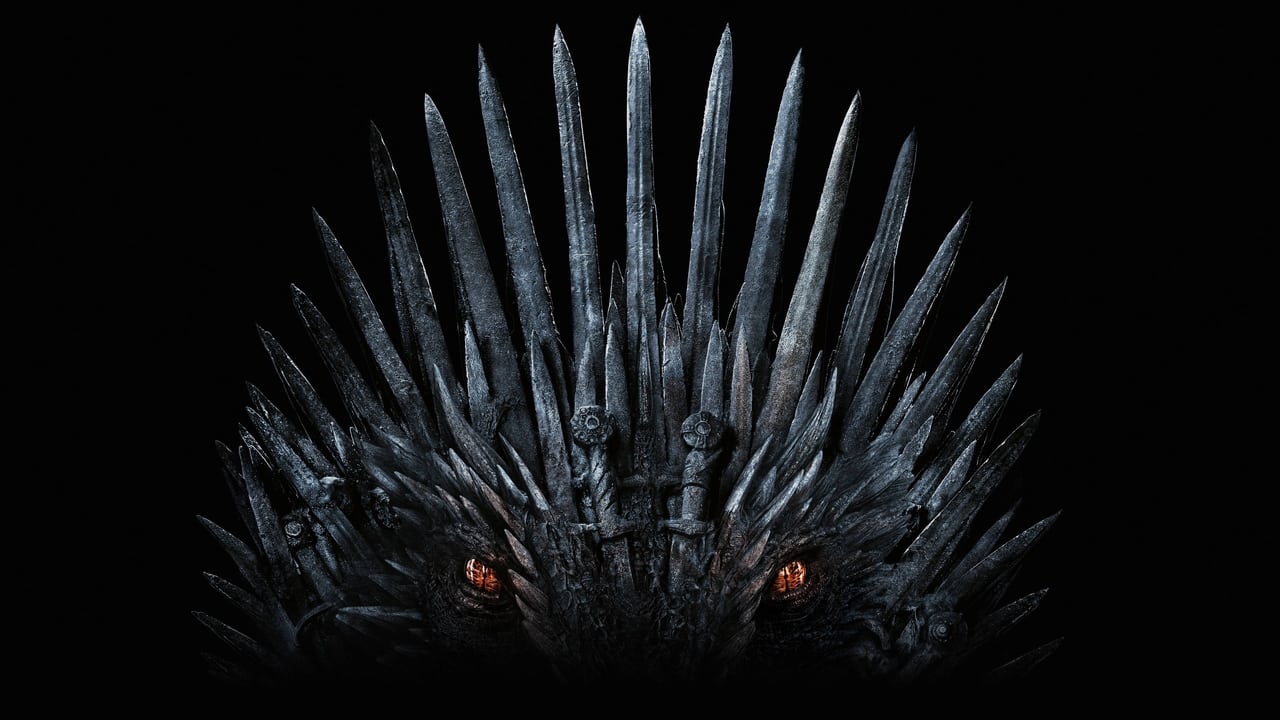
George R. R. Martin published A Game of Thrones in 1996, the first book of A Song of Ice and Fire. By the time HBO's adaptation, created by David Benioff and D. B. Weiss, premiered in April 2011, there were four books, and the fifth, A Dance with Dragons, came out that summer. Five long novels felt like more than enough runway.
For five seasons the show was the best argument there has ever been for adapting a novel on television. It kept Martin's sprawl, his habit of killing the character you assumed was the lead, and his politics, and it cast the whole thing almost perfectly. Then, from season six in 2016, it passed the books. The last three seasons were built from Martin's outline rather than his pages, they moved much faster, and the ending in May 2019 remains the most argued-about finale of its era.
The book side has not caught up. As of this autumn there is still no release date for the sixth novel, The Winds of Winter, and Martin's 2026 updates have been discouraging; his US publisher even had to knock down a viral claim in April that it was about to come out. The world is doing fine without it: House of the Dragon adapts his history Fire & Blood, and A Knight of the Seven Kingdoms, from his Dunk and Egg novellas, premiered in January.
Walter Tevis wrote The Queen's Gambit in 1983, and he already knew how adaptation worked: two of his earlier novels, The Hustler and The Man Who Fell to Earth, had both become famous films. This one sat on the shelf for decades. It follows Beth Harmon, an orphan who learns chess from a janitor in a Kentucky orphanage, becomes dependent on the tranquilizers the orphanage hands out, and plays her way toward the world's best.
Netflix released Scott Frank and Allan Scott's adaptation on October 23, 2020, as seven episodes. That number is the whole secret. Seven hours is about what the book needs, so nothing is padded and nothing is cut, and the series ends exactly where the novel does. Anya Taylor-Joy plays Beth with almost no dialogue for long stretches, and the show had the chess checked by real experts, including Garry Kasparov, so the games on screen are real games. It won the Emmy for Outstanding Limited Series and sent a lot of people out to buy a chess board.
It ranks first because it is the one show here that never had to choose between the book and its own survival. It took the book, used all of it, and stopped.
Put the five side by side and the pattern is clear. The two that stopped when the book did, The Queen's Gambit and Dexter's first season, are the two most people agree on. The two that kept going, Game of Thrones and House of Cards, made some of the best television of their decade and then struggled to land. The 100 got around the problem by barely using its book at all.
The Queen's Gambit: one book, one season, finished.
Game of Thrones: passed the books in season six.
Dexter: followed the first book for one season, then went its own way.
House of Cards: loosely followed the first book, then ran out past it.
The 100: split from the book before the book was even out.
Films have the opposite problem, and the best ones solved it by cutting hard. That list is in our ranking of the best movies based on books, with three new releases coming before the end of the year.
The 5 best movies based on books: The Lord of the Rings, Harry Potter, Dune, The Hunger Games and The Devil Wears Prada, with what changed and the books.